 The Hindu Story
Mahabharata characters
Who is Bhishma?
The prince who gave up a throne and a family of his own, and guarded both sides of the family for a lifetime.
Also known as Devavrata, Gangeya, the grandsire.
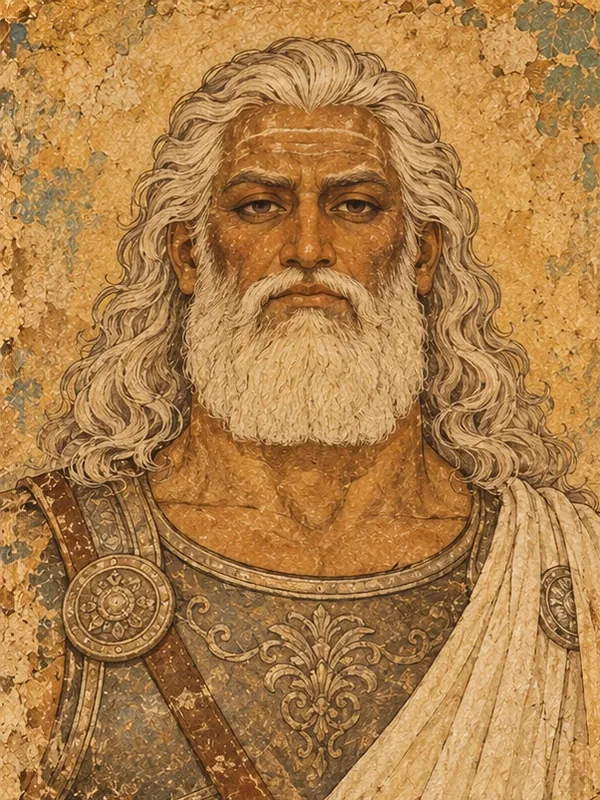
The eighth son
Bhishma was born Devavrata, the eighth son of King Shantanu and the river goddess Ganga. His seven older brothers were returned to the river as soon as they were born; he was the one son who stayed. Ganga raised him among sages, and he came home a master of weapons and of scripture, the obvious heir to the throne of Hastinapura.
The terrible vow
Then his father fell in love with Satyavati, a fisherman's daughter. Her father would agree to the marriage only if her sons would rule. Devavrata gave up the throne on the spot. When the fisherman worried about Devavrata's own future children, the prince went further and swore never to marry at all.
The vow was so severe that the gods themselves called him Bhishma, "the one of the terrible vow." His father gave him a gift in return: he would die only when he chose to.
The guardian of the family
For the rest of his long life Bhishma kept that promise. He raised his younger brothers, then their sons, then their grandsons, the Pandavas and the Kauravas. He loved both sides, and he could see where the family was heading. But he had sworn to serve the throne, and so he served it even when it was wrong, staying silent in the dice hall while Draupadi begged the elders for justice.
How Bhishma’s story ends (spoilers)
In the great war he led the Kaurava army for ten days, and no one could defeat him. He would not fight Shikhandi, who had been born a woman, so Arjuna shot from behind Shikhandi’s chariot. Bhishma fell onto a bed of arrows and chose not to die yet. He lay there for weeks, and before he finally let go he taught Yudhishthira how a king should rule. It is some of the wisest teaching in the whole epic.
Read next
- GangaThe river goddess who married a king on one condition, and the mother of Bhishma.
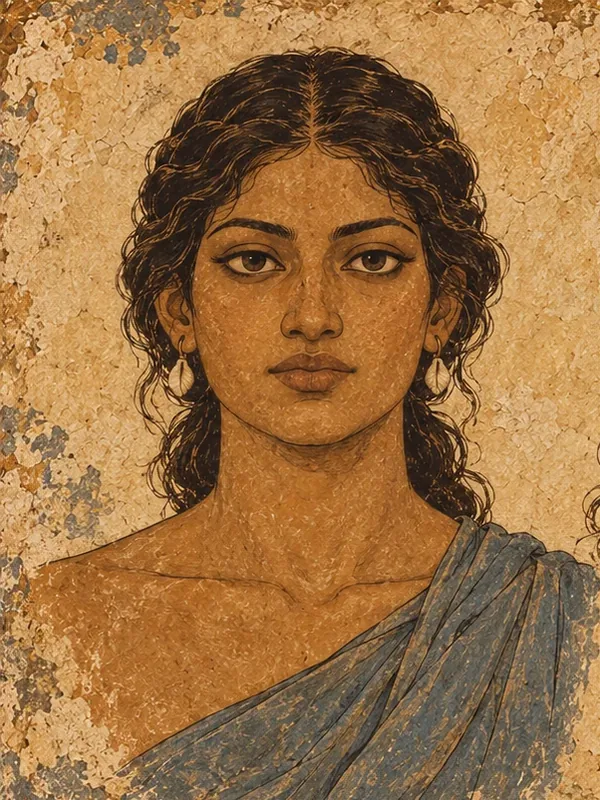 SatyavatiA fisherman’s daughter who became queen of Hastinapura and the grandmother of both sides of the war.
- ShikhandiThe warrior born to bring down Bhishma, who in a former life was the princess Amba.
- YudhishthiraThe eldest Pandava, famous for never telling a lie, and for one game of dice.